
New Relationship Standards for Men
Choose Better, Not Just Differently
The end of a marriage gives you a chance to reconsider what you need from a relationship. The challenge is to set expectations that protect your well-being without letting old disappointments dictate every new connection.
After divorce, some men promise themselves they will never compromise again. Others become so eager for companionship that they ignore warning signs they once would have noticed. Healthy relationship standards offer a better middle ground: clarity about your values, realistic expectations of another human being, and accountability for your own behavior.
This guide will help you distinguish non-negotiables from preferences, recognize meaningful compatibility, communicate respectfully, and build a relationship that feels healthier than the one you left behind.
Start With Clarity, Not a List of Demands
Divorce can change the way you approach love. After years of compromise, conflict, or disappointment, you may feel determined never to tolerate the same problems again. That determination can be useful, but it can also turn into a rigid checklist that keeps you from recognizing a genuinely compatible partner.
Healthy relationship standards are not rules designed to control another person. They are clear expectations about how you want to treat someone, how you expect to be treated, and what kind of partnership you are willing to build. They help you make decisions without requiring another woman to pay for the mistakes of your former marriage.
The goal is neither to lower your expectations because you are lonely nor to raise them so high that nobody can meet them. It is to distinguish what truly matters from what merely feels reassuring after a painful experience.
Learn From Your Marriage Without Reliving It
Your previous marriage is a source of information, not a template for every future relationship. Think about the recurring situations that left you feeling disconnected. Was it unresolved conflict, incompatible priorities, unequal effort, or a lack of affection? Describe the behavior rather than labeling your former spouse.
For example, instead of deciding “I will never date a woman who needs time alone,” ask whether the real problem was a refusal to reconnect after disagreements. Needing space can be healthy. Refusing to address a problem indefinitely is different.
Also consider your own contribution. Perhaps you avoided difficult conversations, expected your partner to read your mind, or confused providing financially with being emotionally present. A better future depends partly on what you are willing to change yourself.
When you can identify a lesson without assuming every new partner will repeat the past, you are beginning to date from experience rather than fear.

Identify What Truly Matters to You
Before deciding what you want from a woman, consider the daily experience you want in a relationship. Do you value kindness when life becomes stressful? The ability to talk openly? Financial responsibility? Affection? A compatible approach to family, faith, or long-term plans?
Imagine an ordinary Saturday rather than a perfect vacation. What would make spending that day together satisfying? Perhaps you want someone who enjoys conversation, respects your need for occasional solitude, and approaches shared responsibilities as a team.
Attraction and chemistry matter, but they cannot substitute for compatibility. A person can be exciting on dates and still want a fundamentally different life. Pay attention to whether your values work together when the novelty wears off.

Separate Non-Negotiables From Preferences
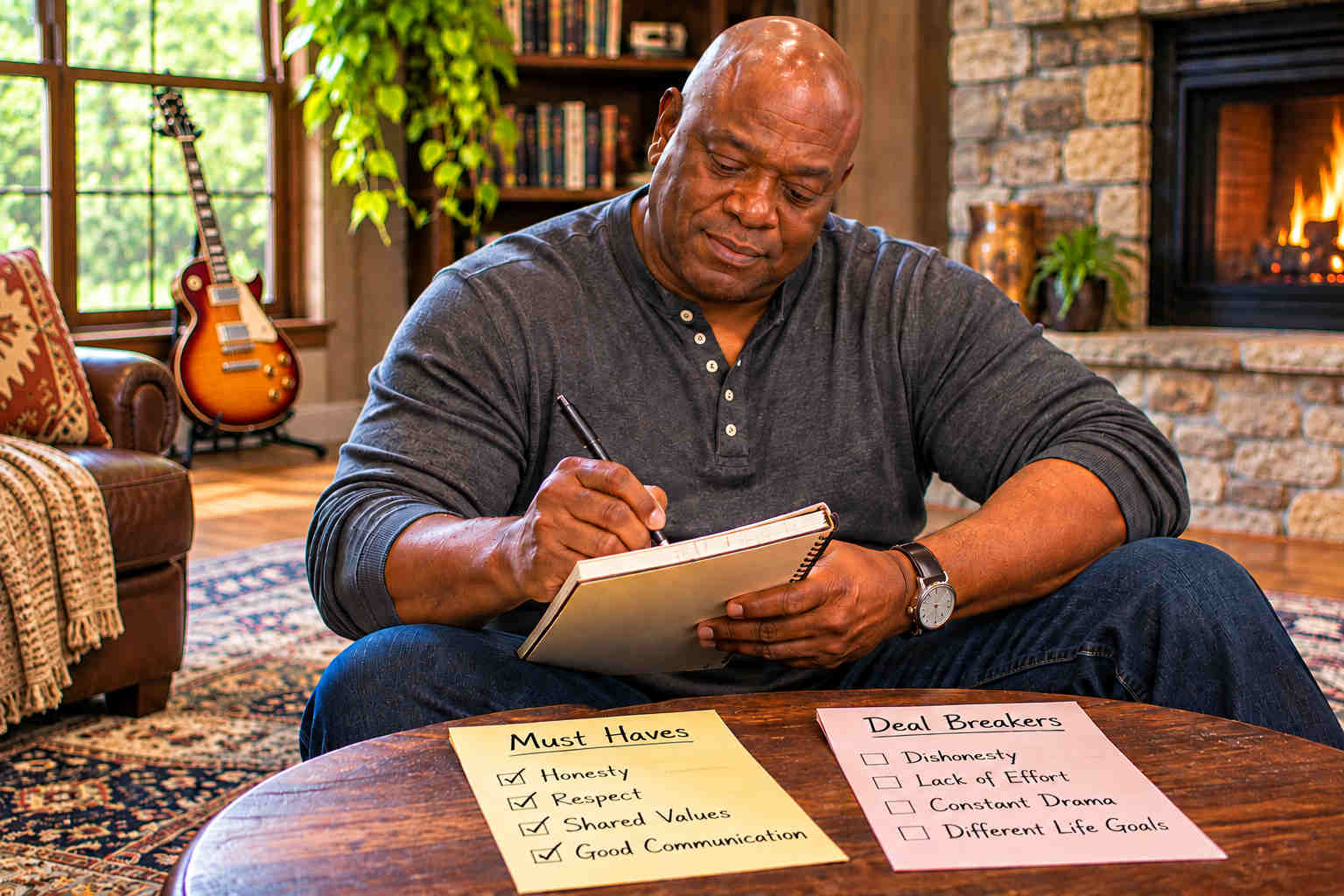
A non-negotiable protects something essential: your safety, integrity, values, or long-term direction. Honesty, mutual respect, emotional availability, and compatible intentions may belong on that list. So might agreement about whether to marry again, have children, or combine households.
A preference is something you would enjoy but could reasonably compromise on. Musical taste, decorating style, hobbies, and vacation preferences rarely need to become tests of character.
Try writing two columns. Under “must have,” list the qualities without which the relationship would be unhealthy or fundamentally incompatible. Under “nice to have,” list the details that would make a good match even more enjoyable. Keep the first list short enough to be meaningful.
Your standards should help you recognize a suitable partner, not eliminate someone because she has different tastes.

Expect Respect, Not Constant Agreement
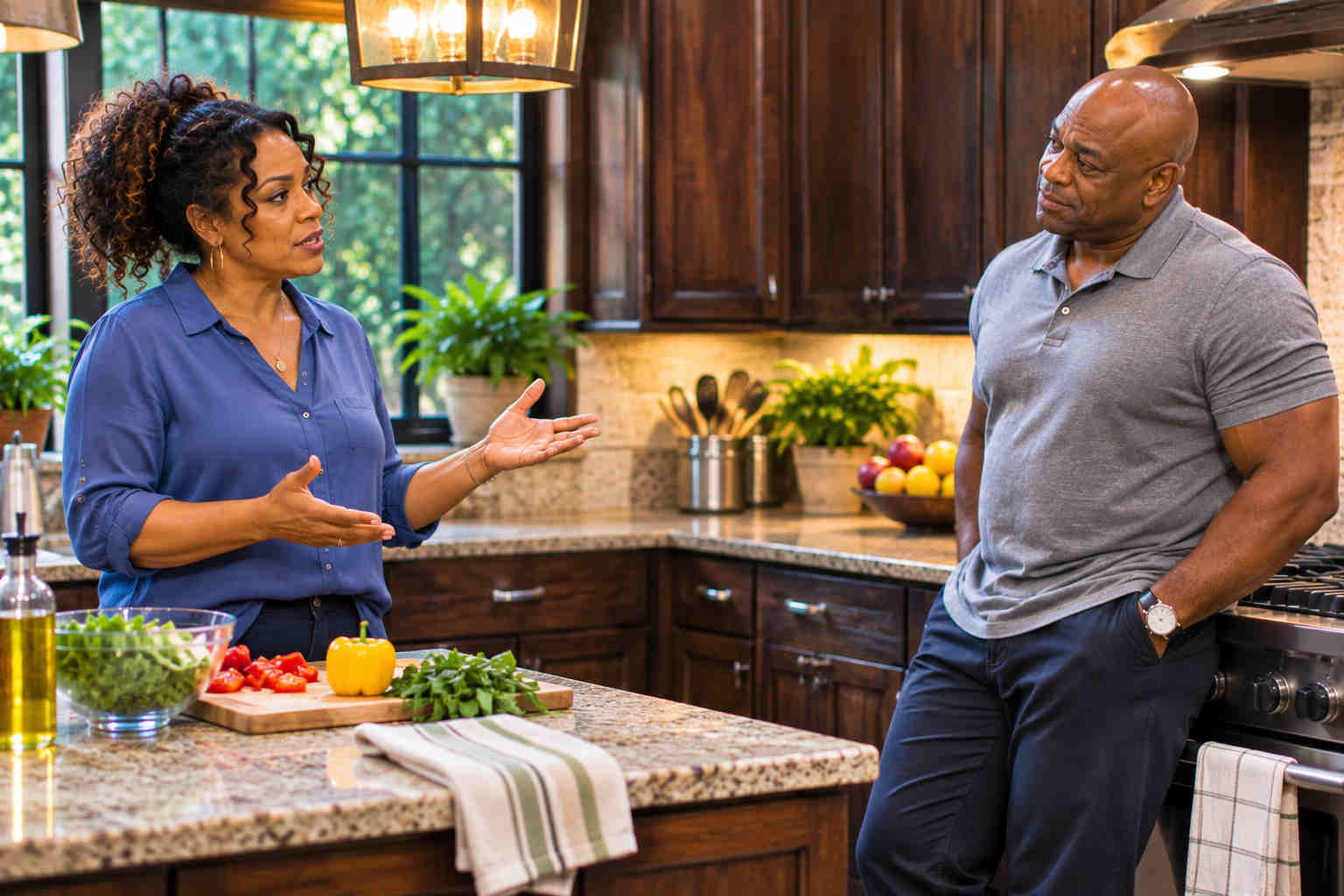
It is unrealistic to expect a partner to share every opinion or preference. Two adults bring different histories, habits, and personalities into a relationship. Healthy standards concern how you manage those differences.
Can you disagree without insults? Can you listen without preparing a rebuttal? Can you compromise on small matters while staying clear about the important ones?
If a disagreement about furniture, travel plans, or schedules becomes a contest someone must win, pay attention to the pattern. But do not confuse a different viewpoint with disrespect. Sometimes a partner who challenges your assumptions thoughtfully is exactly the person who helps you grow.

Make Communication and Conflict Resolution a Standard
Every relationship eventually encounters frustration. What matters is whether both people can discuss problems without contempt, threats, silent punishment, or personal attacks.
Look for a willingness to say “I was wrong,” ask clarifying questions, and return to a difficult subject after emotions settle. You should be willing to do the same. A standard you cannot meet yourself is a demand, not a shared expectation.
You can say early in a relationship, “I do not expect us to agree all the time, but I want us to be able to talk about problems without tearing each other down.” Then watch how both of you behave when a real disagreement occurs.
One difficult conversation is not enough to define a person. Consistent patterns over time are much more informative.
Protect Independence While Building Closeness
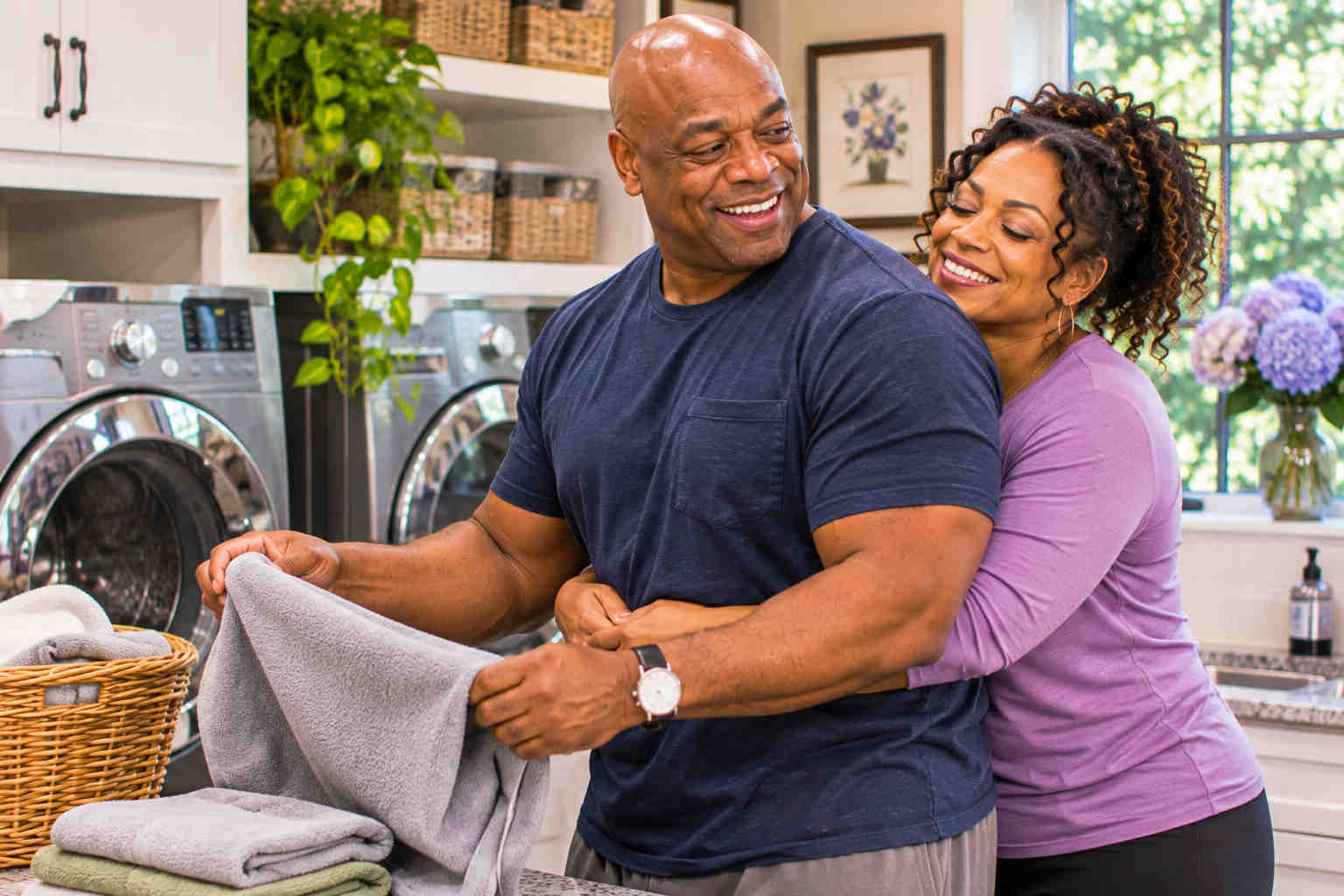
A healthy relationship should add to your life rather than erase your individuality. Friendships, personal interests, family commitments, and time alone can coexist with emotional intimacy.
After divorce, you might swing between two extremes: wanting constant reassurance or guarding your independence so fiercely that nobody can get close. Neither approach makes partnership easy.
Discuss what quality time means to each of you. One person may enjoy frequent shared activities; another may need quiet evenings or dedicated hobby time. The question is whether you can create a rhythm that respects both people.
Independence becomes a strength when it is paired with reliability and a genuine desire to connect.

Be Realistic About Affection and Intimacy
Physical attraction, affection, and emotional closeness are legitimate parts of a romantic relationship. But expecting a partner to provide constant attention, perfect romance, or immediate vulnerability can create unnecessary pressure.
People express affection differently. One person values words of encouragement; another shows care through helpful actions, touch, or making time together. Talk about what makes each of you feel appreciated rather than assuming your preferred style is universal.
Intimacy also changes with stress, health, work, and family responsibilities. Healthy standards include mutual consent, kindness, honesty, and a willingness to discuss changing needs—not a demand that every day feel like the honeymoon stage.
Judge Consistent Actions, Not Impressive Promises
In the early stages of dating, almost anyone can describe the relationship they want. Pay closer attention to whether behavior matches those words. Does she follow through on plans, show consideration for your time, and take responsibility when something goes wrong?
Apply that same standard to yourself. Do you keep your commitments, communicate changes, and contribute when practical help is needed? Trust develops through repeated experiences of dependability.
A single missed call or canceled plan does not prove someone is unreliable. Look at the context, the explanation, and what happens next. Standards are most useful when they guide careful observation rather than snap judgments.

Build a Relationship That Allows Both People to Grow
Your next relationship does not need to recreate your marriage or compensate for everything that went wrong in it. It can be something new, shaped by two people who are still learning about themselves.
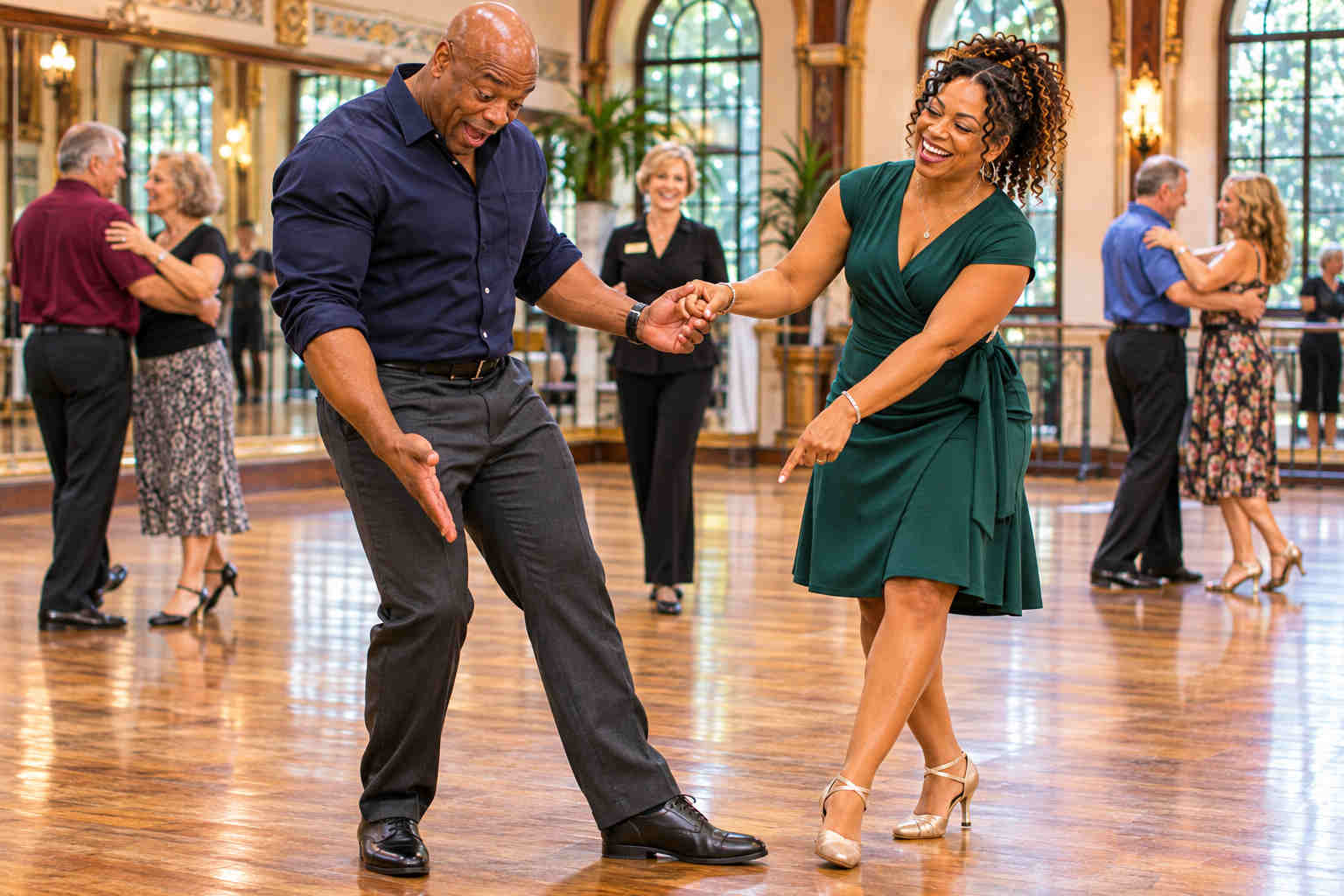
Expect mistakes, awkward conversations, changing plans, and occasional disappointments. The question is not whether either of you is perfect. It is whether you can repair misunderstandings, laugh together, and continue moving in a compatible direction.
Keep your standards high where character, respect, and shared purpose are concerned. Stay flexible about the harmless differences that make another person an individual. And remember that choosing wisely also means becoming the kind of partner you hope to find.
A Practical Standards Checklist
1. Name your core values. Choose three to five qualities that genuinely support a healthy partnership.
2. Identify your deal breakers. Focus on serious incompatibilities or repeated harmful behavior, not minor preferences.
3. Examine your own habits. Decide what you need to improve to offer the same respect and reliability you expect.
4. Discuss expectations. Talk about communication, independence, affection, finances, and long-term goals as the relationship develops.
5. Watch patterns over time. Make decisions based on consistent behavior rather than chemistry, fear, or a single imperfect moment.
Remember This
Standards Are a Compass, Not a Wall
Healthy relationship standards help you choose with confidence. They should protect what matters while leaving room for the individuality, growth, and imperfections that make real love possible.